
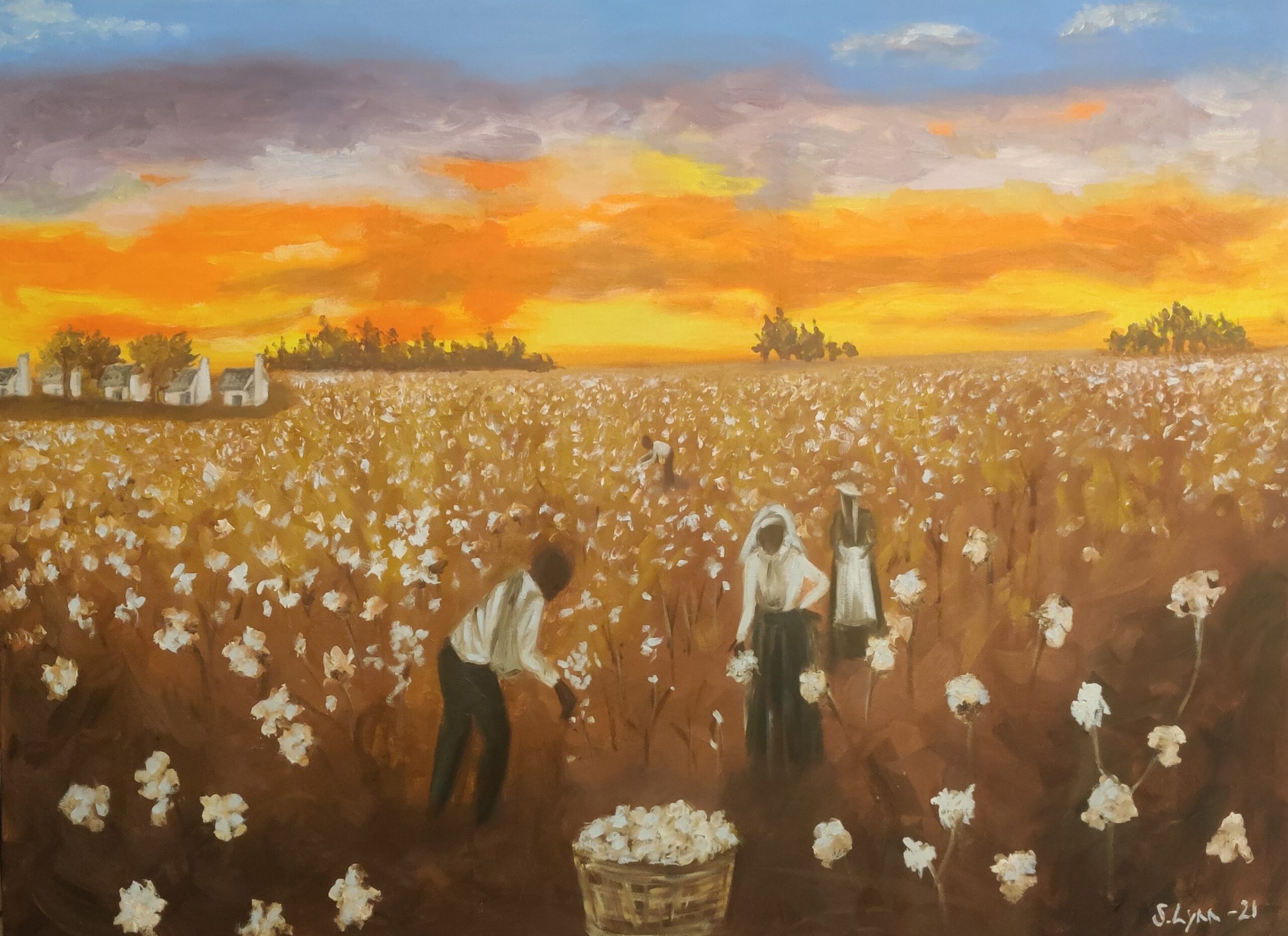

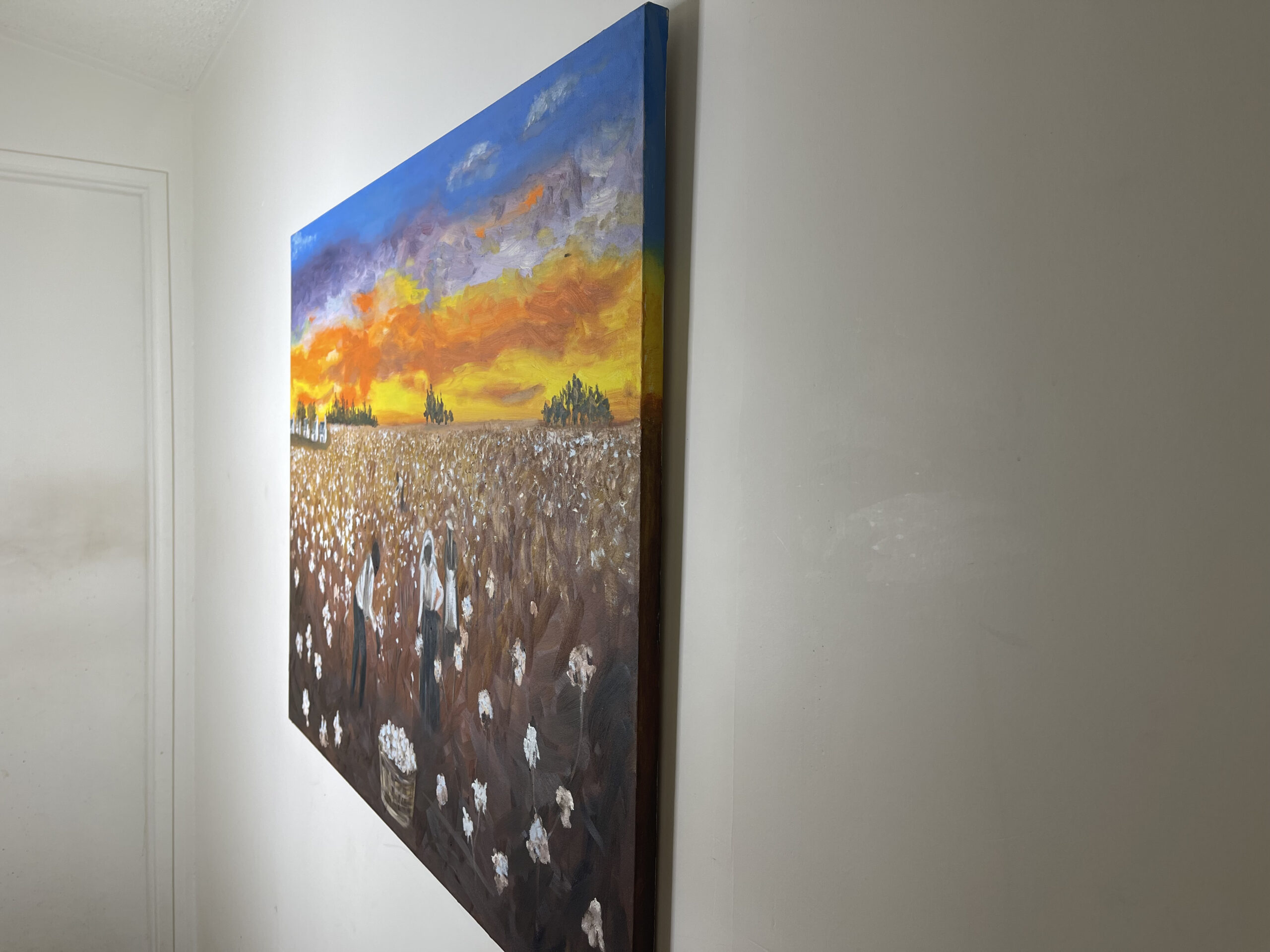
40 Acres and a Mule
In early 1865, just before the end of the American Civil War, General William T. Sherman issued Special Field Order No. 15. This order allocated confiscated and abandoned land in the Southern United States to formerly enslaved people. It promised them “forty acres of tillable land” and the use of government mules. The idea behind this policy was to provide recently freed African Americans with the opportunity to own land and establish a level of economic independence in the wake of slavery’s abolition.
However, this promise was short-lived. President Andrew Johnson, who succeeded Abraham Lincoln after his assassination, overturned Sherman’s order and returned the land to its former white owners in the months following the war. This marked a setback for the newly freed African Americans who had initially seen this promise as a chance to build new lives for themselves and their families.
The phrase “40 acres and a mule” has since become a symbol of the unfulfilled promises and lost opportunities that many African Americans faced during the Reconstruction era. It represents a historical injustice and a reminder of the challenges that African Americans encountered in their pursuit of land ownership and economic self-sufficiency after the end of slavery
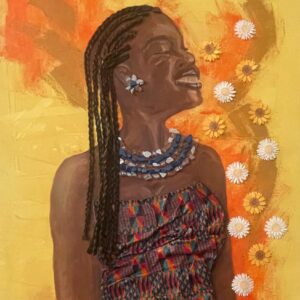
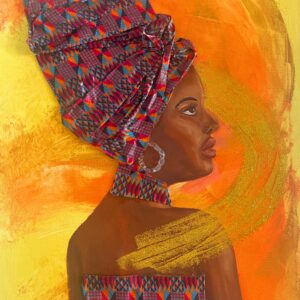
Oil on Canvas
30 x 40 Inches
Reviews
There are no reviews yet.